
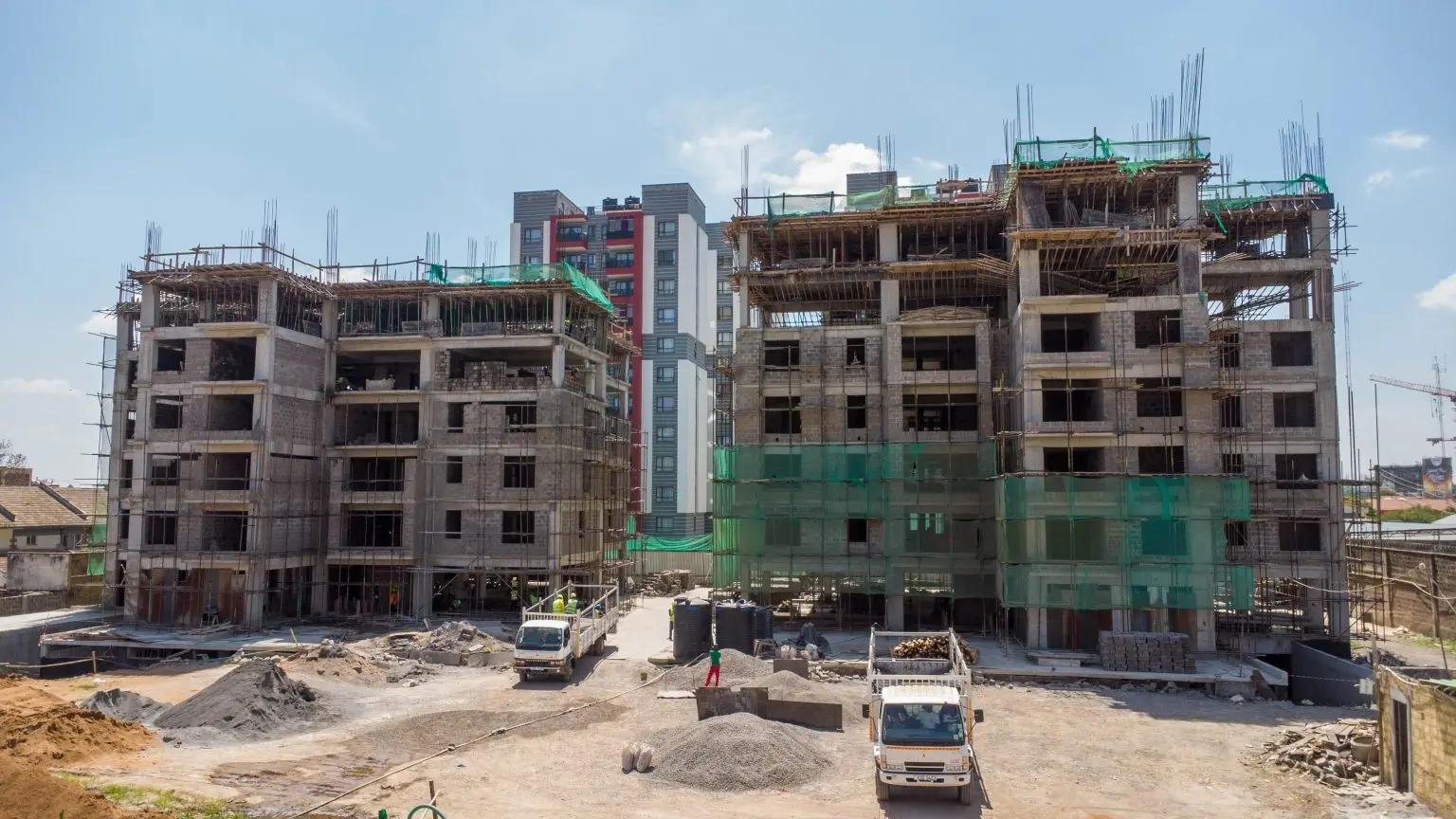
You visit a beautiful show house. The finishes look impressive, the payment plan fits your budget, and the representative promises completion in eighteen months. You pay your deposit and start making regular installments.
Then construction slows down. Weeks turn into months. Eventually, site activity grinds to a complete halt, leaving you servicing a bank loan for a home that exists mostly on paper.
It is easy to get excited when an off-plan property looks perfect on screen. But before you transfer your hard-earned deposit, there are a few practical details worth checking to ensure your money stays safe.
1. When an Off-Plan Dream Stalls
What actually happens when a construction site goes quiet? Projects rarely collapse out of nowhere. Instead, a few hidden operational pressures usually build up behind the scenes:
- Rising Material Costs: Sharp increases in steel, cement, or fuel prices cut directly into the initial budget.
- Cash Flow Squeezes: If a developer relies heavily on buyer installments to build, a few delayed payments from other buyers can stall the whole site.
- Permit and Legal Surprises: Starting work without full county approvals or ignoring land boundary questions often leads to court orders that freeze development.
- Poor Budgeting: Mismanaging funds halfway through the build leaves the project short on cash to reach completion.
Understanding these pressure points helps you look past promotional claims and ask how the developer actually plans to keep work moving.
2. Look Past the Brochure to the Developer
A glossy brochure can make an off-plan development look finished before groundbreaking even begins. But a render cannot tell you whether the company has the capacity to deliver.
Before focusing on interior finishes, take a closer look at the developer behind the promises:
- What have they completed? Ask to see their portfolio of finished developments rather than upcoming designs.
- Can you visit those sites? Take a drive to their older projects. Check the build quality, speak with estate management, and ask residents if handover happened on time.
- Who runs the business? Look into the registered corporate entity. Be cautious if you spot a habit of changing business names across different developments.
A property developer with a solid track record won’t mind these questions. If a sales team dodges inquiries about past work, pause before taking the next step.
3. Verify the Land, Not Just the House
Never assume the house design on display matches the paperwork underneath. A developer cannot give you legal ownership of a home if they do not hold clear rights to the land itself.
In real-life situations across Nairobi, buyers have discovered too late that the property description in their agreement didn’t align with official registry records.
Here is how you can protect yourself:
- Run an Official Land Search: Have your lawyer perform a search at the Ministry of Lands to confirm the title is genuine, free of bank charges, and registered in the developer’s name (or backed by a valid Joint Venture).
- Confirm Building Permits: Ask to see active, stamped approvals from the County Government, NEMA, and the National Construction Authority (NCA).
- Double-Check Plot Boundaries: Make sure the physical site you walked on matches the exact parcel number listed in the paperwork.
Skip the copies offered in the sales office. Always have your legal counsel verify documents directly at the source.
4. Where the Paperwork Matters
A sale agreement is your primary safety net if things go off track. It helps to view it as an active conversation rather than a standard form you simply sign.
Take a moment to review these specific points with your lawyer:
- Handover Dates: Look for a clear completion date and a strict limit on any allowable grace period.
- Refund Provisions: If the project stalls, the contract should outline a clear, time-bound process for returning your money.
- Dispute Resolution: Many agreements call for arbitration rather than direct court action during a disagreement. Make sure you understand what those clauses mean for you in practice before signing.
5. How to Structure Your Payments Safely
How you pay determines how much control you maintain throughout construction.
To keep your financial risk manageable:
- Pay by Physical Milestones: Avoid paying strictly on calendar dates. Instead, tie each installment to a completed stage of construction, such as the foundation, slab, or roofing.
- Verify Progress First: Visit the site yourself or hire an independent professional, like a Quantity Surveyor, to confirm work is done before releasing the next payment.
- Use Official Channels: Send funds directly to documented corporate bank accounts with written receipts. Avoid personal accounts or informal arrangements.
- Ask About Holding Arrangements: While formal escrow accounts aren’t standard in every local project, ask if the developer offers any ring-fenced structures for buyer deposits.
6. Questions to Ask Before Paying
Take these questions to your meeting with the developer or their legal team:
- Land Ownership: Is the title deed in your company’s name or a Joint Venture? Can my lawyer inspect the original document?
- Permits: Do you hold active, stamped approvals from the County, NEMA, and the NCA for this design?
- Funding: Is construction funded entirely by pre-sales, or do you have secondary financing in place?
- Milestones: Can we link installment payments strictly to physical progress verified by an independent surveyor?
- Contract Terms: Will you allow my lawyer to review and propose adjustments to the sale agreement before I pay a deposit?
If the answers aren’t clear, pause before committing your funds.
7. When Walking Away Is the Smart Choice
No matter how attractive the price or location appears, there are moments when stepping back is your best option:
- The developer refuses to let your lawyer review or adjust the agreement.
- You are pushed to pay a deposit before seeing land titles or county permits.
- The sales team gives verbal promises about completion dates but excludes them from the contract.
- Land searches show undisclosed bank loans, ownership disputes, or court freezes.
Passing on an unverified deal isn’t a missed opportunity; it is keeping your savings safe for the right project.
Conclusion
An off-plan property can be a smart investment, but a brochure shouldn’t be the only reason you buy. Take your time, look into the team behind the project, check the land, and review the paperwork carefully before you commit.
If something cannot be verified, don’t be afraid to walk away. Missing out on a deal is always better than trying to recover lost money.




Join The Discussion