
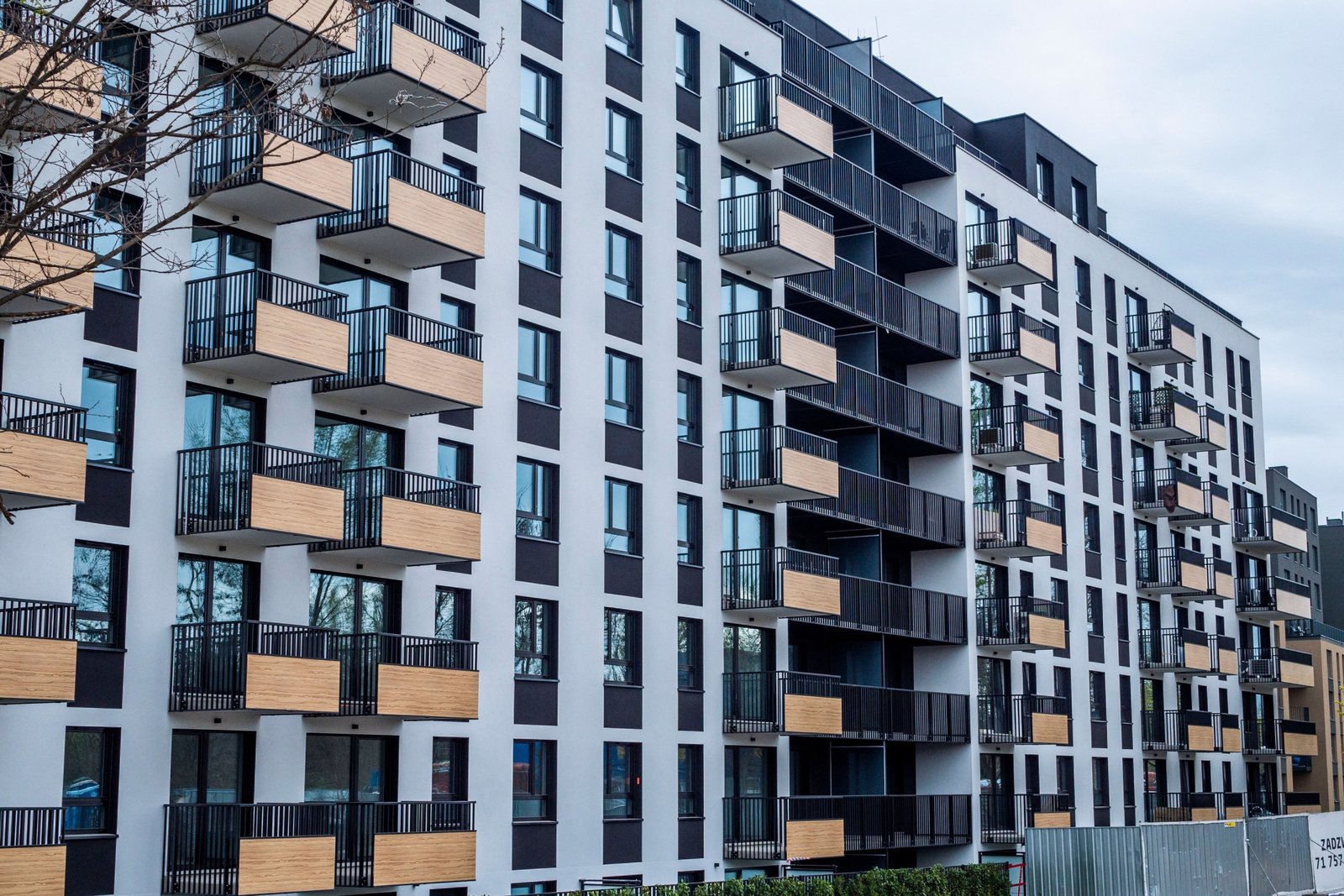
A KSh 10 million budget gives you real leverage across Nairobi’s property market. Whether you’re looking at popular neighborhoods like Westlands, Kilimani, Kileleshwa, Lavington, or Riverside, that money unlocks distinct opportunities if you know how to direct it.
Rather than treating KSh 10 million as just a purchase price, think of it as a strategic choice. If you’re buying an apartment in Kenya, factors such as location, unit size, rental potential, and additional costs can help determine how effectively you use your budget. This guide breaks down what that budget actually gets you on the ground, helps you align your cash with your personal goals, and walks through the essential steps to protect your investment.
What Can KSh 10 Million Buy in Nairobi?
With KSh 10 million in hand, your options in Nairobi’s prime residential spots usually fall into three main routes. Your choice ultimately comes down to whether you want maximum rental income, more living space, or long-term equity growth.
Modern One-Bedroom Apartments
If your main priority is prime location and steady rental demand, KSh 10 million comfortably secures a high-end, modern one-bedroom apartment in hubs like Westlands, Riverside, or upper Kilimani. These units tend to rent out quickly to working professionals and expatriates who want quick access to commercial centers alongside modern amenities like backup generators, high-speed lifts, and fully equipped gyms.
Compact Two-Bedroom Apartments
On the other hand, if you need more room to spread out, that same budget can stretch to a two-bedroom apartment in established residential corridors like Kileleshwa, Lavington, or quieter pockets of Kilimani. While you trade off a small amount of commercial density, you gain an extra bedroom and a layout that works much better for day-to-day living.
Off-Plan Apartments
If you’re willing to wait before turning the key, buying off-plan gives you even more financial room to maneuver. Entering early in a development phase often lets you secure a larger unit at entry-level pricing, spread your payments over the construction timeline, and capture equity growth before the building is even completed.
Which Property Fits Your Goals?
Having the capital is one thing, but where to deploy it depends entirely on what you want out of the deal.
Buying for Investment
If you want strong rental yields or short-term letting returns, the right property location trumps everything else. A sleek one-bedroom unit in Westlands or Kilimani keeps your occupancy rates high because young professionals, corporate lets, and business travelers naturally gravitate toward those hubs. Smaller units in high-demand corridors keep vacancy gaps low and simplify day-to-day management.
Buying a Home
If you’re buying a place for yourself or your family, living space and daily comfort take priority over pure yield. Targeting a two-bedroom apartment in Kileleshwa or Lavington keeps you close to top schools, shopping centers, and green spaces. At the same budget, Syokimau and neighboring satellite towns tend to have a different mix of housing, including larger layouts that can accommodate a home office, a child’s room, or hosting guests.
Should You Buy Off-Plan or a Completed Apartment?
- Completed Properties: Ideal if you want zero construction risk, immediate move-in capability, or rental income starting from day one.
- Off-Plan Properties: Ideal if you want to lock in competitive entry pricing and build equity as construction progresses, provided you vet the developer thoroughly first.
Closing Costs Beyond the Purchase Price
Remember that the agreed purchase price isn’t your final cost. Naturally, you’ll need to set aside extra cash for property taxes, legal fees, and operational reserves upfront so you don’t run into surprises at closing.
- Stamp Duty: Expect to pay 4% of the government’s official property valuation for properties within Nairobi’s municipal boundaries.
- Legal Fees: Your conveyancing lawyer handles title verification, contracts, and legal transfers. Budget 1% and 2% of the purchase price for their services.
- Valuation and Title Registration: Setting aside a small percentage covers the mandatory land registry searches, valuation reports, and registration fees.
- Service Charge Reserves: Most modern complexes require an upfront service charge deposit (typically 3 to 6 months) to seed the management fund for 24/7 security, generator fuel, and elevator maintenance.
How to Protect Your KSh 10 Million Investment
Before signing on the dotted line, run through these essential sanity checks to protect your capital:
- Verify the Property’s Ownership: Always run an official title search at the Ministry of Lands registry. This simple step confirms the true legal owner and reveals any hidden bank caveats, charges, or court disputes attached to the property.
- Research the Developer’s Track Record: If you’re buying off-plan, tour the developer’s finished projects. Check their build quality, ask current residents about hand-over timelines, and see how well their older buildings age over time.
- Check the Service Charge Breakdown: Ask for an itemized breakdown of what the monthly service charge actually covers. You want absolute clarity on security, water supply, and common area upkeep costs before committing.
- Work with Verified Local Experts: Partnering with an experienced real estate agent and an independent property lawyer keeps your transaction secure, transparent, and legally sound.
Final Thoughts
At the end of the day, there is no single “best” property to buy for KSh 10 million in Nairobi. The right choice simply boils down to what matters most to you: prime commercial access, extra living space, reliable rental cash flow, or long-term capital growth.
Before making a final decision, speak with a trusted local real estate agent. They can help you compare available listings, crunch the total closing costs, verify legal details, and land a property that actually fits your budget and goals.



Join The Discussion