
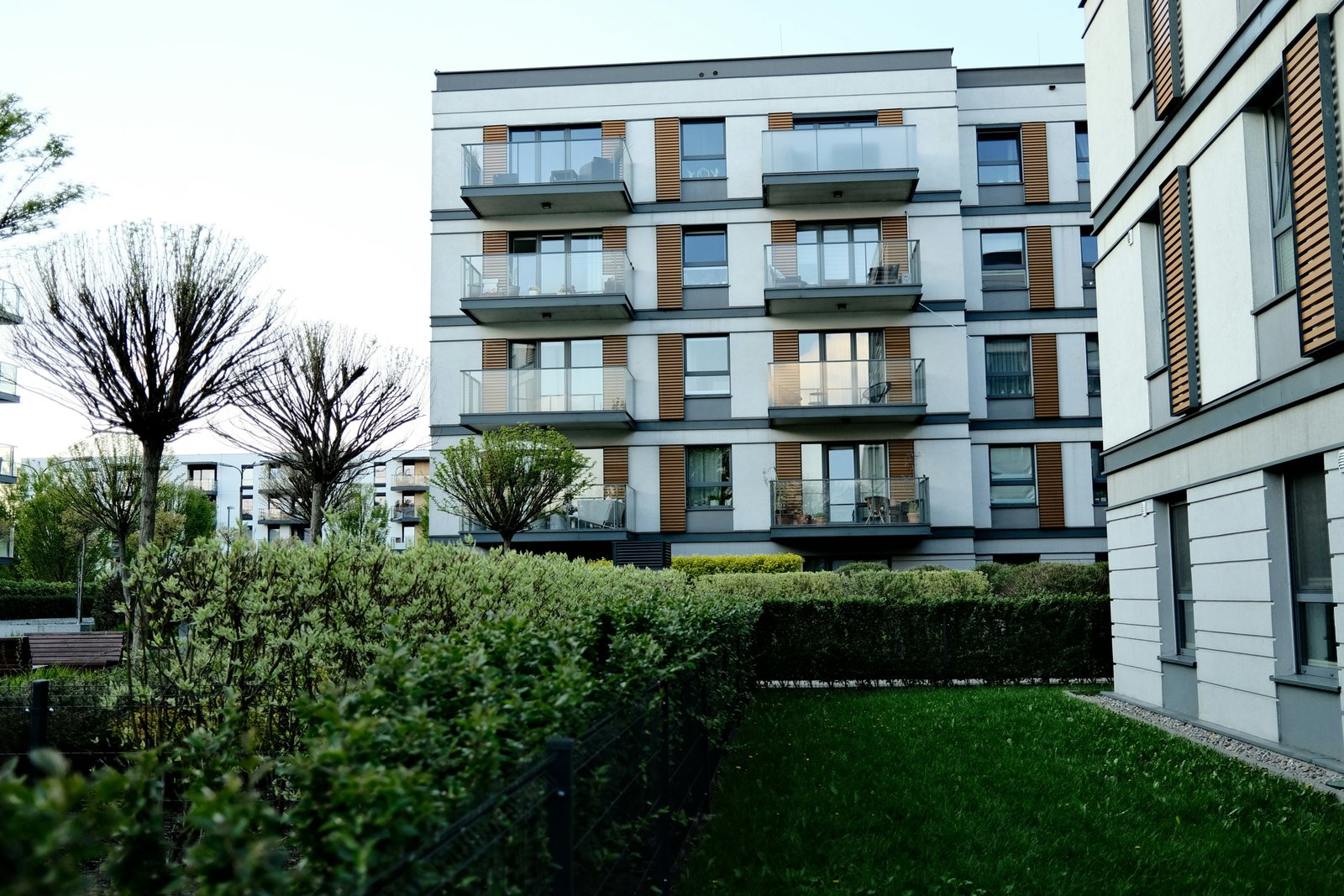
Yes, you can legally own property in Kenya as a foreigner. While the country welcomes international investors, your ownership operates under specific constitutional rules designed to protect local land interests.
If you want to buy a home, commercial space, or investment property in Nairobi or along the coast, understanding these rules from the start will protect your money.
The Legal Framework Explained
Kenya’s property laws treat you differently from a citizen when it comes to the type of ownership you can hold.
Understanding Your 99-Year Leasehold
Under Article 65 of the Constitution, you can only hold land on a leasehold basis for a maximum of 99 years. You cannot own freehold land, which grants absolute ownership with no time limit.
If you buy a property that currently holds a freehold title, the government automatically converts that title into a 99-year lease the moment the registry records the transfer into your name. You can fully develop, live in, or rent out your property during this period, and you can typically renew the lease when it expires.
Restrictions on Agricultural Land You Should Know
The Land Control Act strictly prohibits you from directly buying agricultural land. You can only bypass this rule if you obtain a rare, controlled exemption signed by the President of Kenya.
Because of this restriction, you will find that residential apartments, townhouses within managed estates, and commercial real estate offer your safest and most rewarding investment options.
Why a Local Real Estate Agent is Essential
Navigating the physical reality of the Kenyan property market requires trusted boots on the ground.
Filtering Out Substandard Projects For You
A local agent knows which neighborhoods flood during the rainy season. Also, they know which developers abandon off-plan projects or ignore poor infrastructure. Consequently, they act as your personal filter. By doing so, they save you from buying properties that only look perfect online.
Protecting You From Inflated Pricing
Sellers often target foreign buyers with inflated “expat pricing”. A licensed, local real estate agent tracks the actual transaction prices in areas like Kilimani or Westlands, giving you the data you need to negotiate a fair deal. Always verify that your agent holds a registration with the Estate Agents Registration Board (EARB).
Your Step-by-Step Buying Process
To successfully close a property deal here, you must move through three mandatory gates.
Step 1: Secure Your KRA PIN
First, you must obtain a Kenya Revenue Authority (KRA) Personal Identification Number via the iTax portal. Without this PIN, the system will block your registration taxes. As a result, you cannot legally finalize your purchase.
Step 2: Conduct Your Due Diligence
Next, never hand over money before verifying the property’s legal status. To do this, you or your lawyer must run an official land search on the digital registry, ArdhiSasa. Mainly, this search proves that your seller actually owns the land. It also confirms the exact boundaries and checks for hidden bank loans.
Step 3: Sign the Sale Agreement & Pay
Once you pull a clean search, your lawyer will draft a formal sale agreement. You will typically pay a 10% deposit into an escrow account, clear the balance according to your agreed timeline, and pay a 4% stamp duty tax to the government.
Common Pitfalls You Must Avoid
Rushing into a deal without understanding local legal boundaries can expose you to fraud.
The Danger of Using Local Nominees
You might feel tempted to bypass the 99-year lease limit or agricultural restrictions by putting the property under the name of a “trusted local friend” or an informal dummy company. Please do not do this.
Kenyan courts aggressively examine “beneficial ownership”. If a dispute arises, judges will declare your proxy agreements legally void, and you could lose your entire investment. It is always safer for you to own a legal 99-year lease in your own name.
Your Hidden Transaction Costs
The purchase price you see on a listing never covers your final cost. Budget an extra 6% to 8% of the purchase price to handle these additional expenses:
- Stamp Duty: 4% for urban properties (2% in rural areas).
- Legal Fees: Typically 1% to 2% of the purchase price.
- Valuation & Registration Fees: Small statutory fees that go to government surveyors and registries.
Conclusion
Investing in Kenyan real estate provides an incredibly secure, high-yield opportunity for international buyers who work within the established legal boundaries. By securing a legitimate 99-year lease in your own name, utilizing the transparency of the ArdhiSasa digital platform, and securing local representation to avoid inflated pricing, you can confidently build a highly profitable African property portfolio.




Join The Discussion