
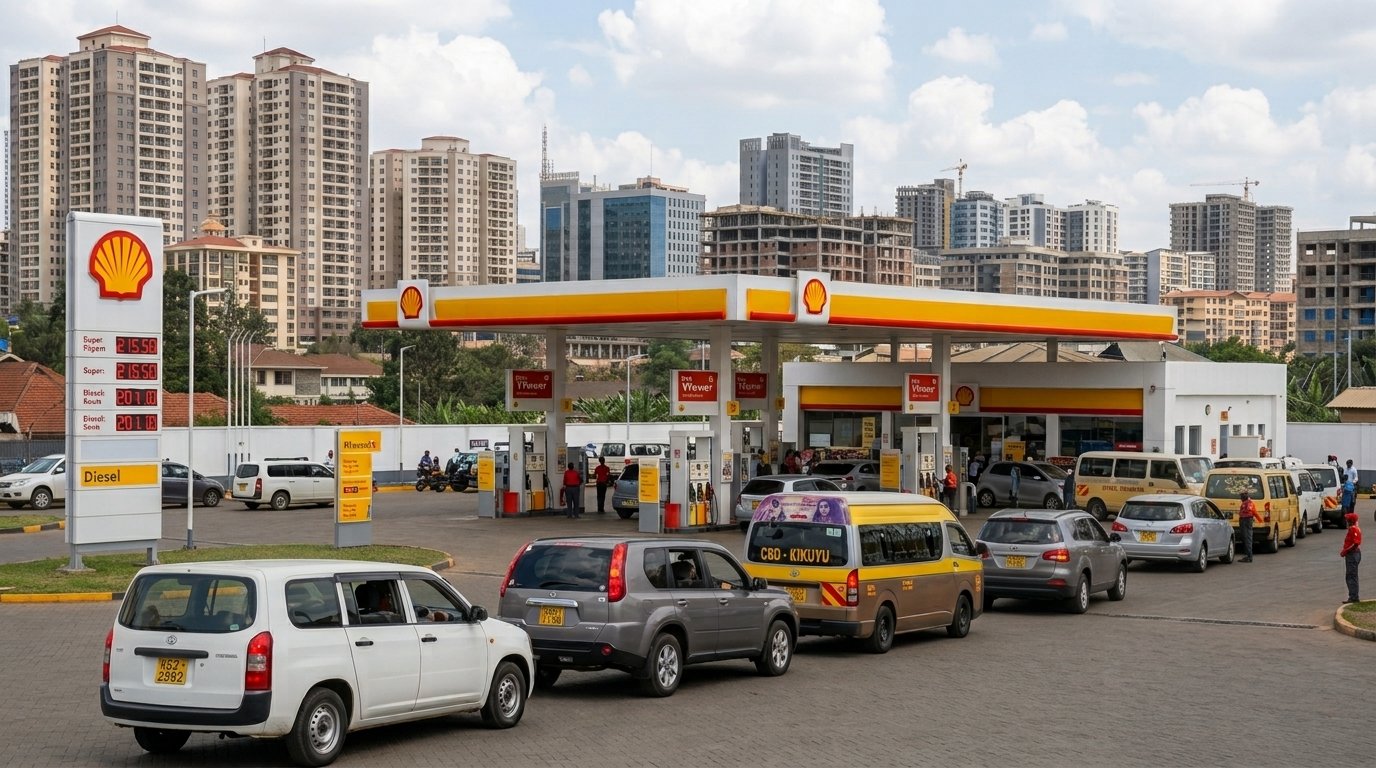
Fuel prices usually make people think about what they pay at the pump. But the impact can extend far beyond the cost of filling a car.
Fuel helps move construction materials, workers, goods, and people. As a result, changes in fuel costs can influence several parts of the property market, from the cost of building homes to the locations buyers and renters consider.
When Building Gets More Expensive
Fuel plays a role in getting cement, steel, timber, and other materials to construction sites. Property developers also spend money moving equipment and workers between locations.
When transport costs increase, developers can face higher construction expenses. Those costs can then affect the overall price of developing new homes.
The effect doesn’t end when construction finishes. Property owners and managers may also spend more on transport for repairs, maintenance, and other services.
Location Starts to Matter Even More
Fuel costs also affect people on the other side of the property market.
For many households, getting to work or school is part of the real cost of living in a home. A house with cheaper rent may not feel as affordable if the daily commute costs significantly more.
Because of this, some buyers and renters may start paying closer attention to properties near workplaces, public transport, and everyday amenities.
In other words, the price of a property isn’t the only cost people consider when choosing where to live.
Housing Budgets Come Under Pressure
Higher transport costs can also put pressure on household budgets.
When people spend more on commuting and other everyday expenses, they may have less money available for housing. A buyer may have less to put towards a deposit, while a renter may reconsider how much they can comfortably spend on monthly rent.
This doesn’t mean fuel prices automatically reduce everyone’s housing budget. Instead, the effect depends on a household’s income, transport needs and other expenses.
What This Means for Kenya’s Property Market
Taken together, these effects show why fuel costs can matter to real estate.
Fuel prices don’t determine property prices on their own. However, they can influence construction costs, commuting expenses and household budgets, which in turn can affect property decisions.
For buyers and renters, this makes factors such as location, accessibility and transport costs worth considering alongside the property’s asking price or monthly rent.
Looking Ahead
Fuel prices will continue to change, but their effect on real estate won’t look the same in every location or for every household.
What remains clear is that the cost of a property involves more than its purchase price or rent. The cost of getting there, building it, and maintaining it can also shape the decisions people make.
And as transport costs continue to influence household and business expenses, location and accessibility will remain important parts of the property conversation.




Join The Discussion