
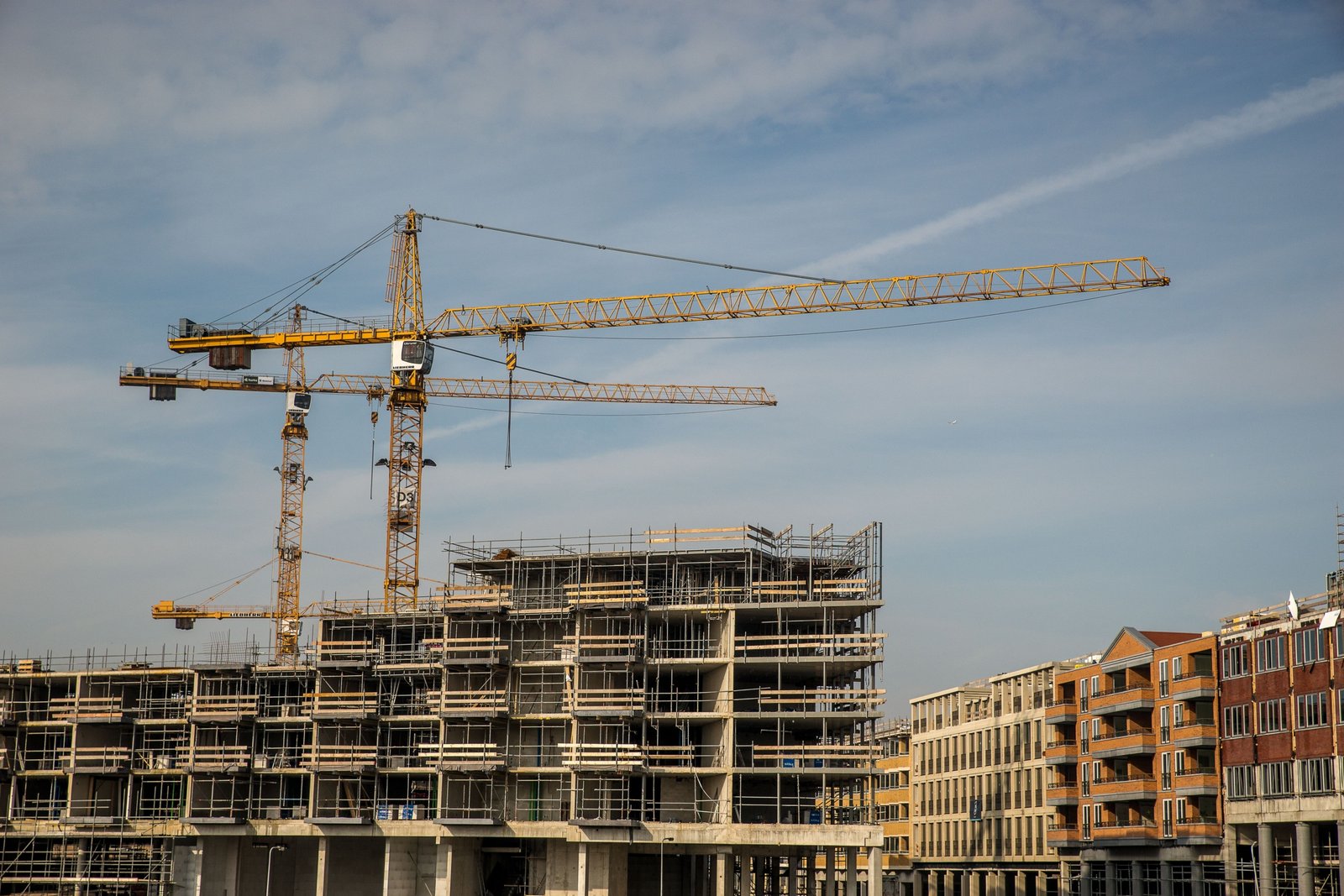
Buying off-plan property has become an increasingly popular option for homebuyers and investors in Kenya. Instead of purchasing a completed home, you reserve a property before construction is finished, often at a lower price than its expected market value upon completion.
This approach can offer several advantages, including flexible payment plans, the potential for property value growth, and access to modern developments. However, understanding how off-plan purchases work and carrying out proper due diligence is essential before committing.
What Is Off-Plan Property?
Buying off-plan means signing a contract to purchase a house or apartment that is not yet built, or is in the early stages of development.
The process typically starts in a showroom. You study architectural floor plans, view 3D digital renderings, and walk through a mock-up show house. If you like the design, you pay a reservation fee and a deposit to secure your unit. Construction then progresses through milestones from excavation and structural framing to internal finishes until final handover.
This model has surged in popularity across urban nodes like Nairobi, Kiambu, and Machakos. Land scarcity and high construction costs mean developers need upfront buyer capital to fund builds, while buyers need an entry point into premium neighborhoods without paying premium, finished-product prices.
Key Benefits of Buying Off-Plan
Lower Early-Bird Purchase Prices
Developers need to secure early sales to prove project viability to banks or investors. To attract these baseline buyers, they offer “ground-breaking” prices that are significantly lower than the eventual market rate. By buying early, you bypass the developer’s final profit margin built into finished homes. This price gap means you secure a premium asset at a steep discount simply for being patient.
Flexible Installment Payment Plans
Buying a completed home usually forces you into a tight 90-day payment window or locks you into a high-interest mortgage for decades. Off-plan properties completely change this dynamic.
After an initial deposit (usually 10% to 30%), you spread the remaining balance across the construction period, which typically spans 24 to 36 months. For example, if a unit costs KSh 9 million, you might pay a KSh 2 million deposit and clear the rest in monthly installments of KSh 200,000. This structure eases your cash flow and allows young professionals to build equity without heavy bank debt.
High Potential for Capital Growth
When you buy off-plan, you lock in the purchase price on day one. As construction progresses and the surrounding infrastructure develops, the property value rises. In thriving Kenyan real estate hubs, properties frequently appreciate by 15% to 30% between the groundbreaking ceremony and project completion. You accumulate substantial wealth through home equity before you even move in or find your first tenant.
Unit Selection and Customization
When you buy into a finished development, you are stuck with whatever units are left. Buying off-plan gives you the luxury of choice. You can pick a corner unit for better privacy, choose a higher floor for panoramic views of the Nairobi skyline, or select a unit positioned for optimal natural morning light.
Furthermore, most developers allow you to customize internal finishes. You can request specific tiling, choose your kitchen cabinetry layout, or upgrade to smart-home wiring while the walls are still open.
Brand-New, Modern Infrastructure
Older properties often come with hidden headaches: outdated plumbing, structural wear, and inefficient layouts. Off-plan builds give you a fresh start. These developments incorporate modern architectural trends like open-plan living, larger windows for natural lighting, and energy-efficient solar water heating systems. Additionally, new builds come with structural warranties, saving you from immediate maintenance costs for the first few years.
Essential Due Diligence Before Buying
Never rely on a glossy brochure. Before paying a deposit, visit the developer’s completed projects and talk to past buyers to verify their delivery history. You must hire an independent property lawyer to confirm the developer owns the land title or holds a valid joint-venture agreement. Your lawyer should also verify project approvals from the National Construction Authority (NCA) and ensure the sales agreement protects you. Review how buyer payments are handled and whether safeguards such as escrow arrangements or other protections are included where applicable. Our funds using an escrow account structure.
Is Off-Plan Right for You?
Your financial goals determine whether this strategy fits your portfolio:
- First-Time Homebuyers: This is an ideal path if you want to escape rent but lack the massive capital needed for a finished house. It gives you two to three years to organize your finances while your future home is being built.
- Property Investors: If you seek high rental yields or capital flips, off-plan offers the highest return on investment (ROI). Buying below market value can improve rental property ROI once the building fills with tenants.
- Long-Term Planners: If you are planning for retirement or looking for a home your family can grow into five years from now, locking in today’s prices protects your future purchasing power from inflation.
Frequently Asked Questions
Is buying an off-plan property safe in Kenya?
It is safe if you perform rigorous due diligence. The risk of stalled projects exists, but buying from developers with proven track records, verified bank financing, and legal compliance mitigates this risk significantly.
Can you get an off-plan mortgage?
Yes, but the structure differs from a standard mortgage. Some Kenyan banks offer construction finance or issue a mortgage commitment, releasing funds in stages (tranches) based on verified construction milestones.
What happens if a project is delayed?
Your sales agreement should contain a “liquidated damages” clause. This clause forces the developer to pay you a specific monthly penalty or cover your rental costs if they miss the agreed-upon completion deadline without a valid legal excuse.
Final Thoughts
Off-plan property offers several advantages, from lower purchase prices and flexible payment plans to the potential for long-term capital growth. When combined with careful research and a reputable developer, it can be a practical option for both first-time buyers and experienced investors looking to grow their property portfolio.




Join The Discussion